


The Myth Keeper’s Mindset: Running Games Like a Living World
- Sarah Jordyn

- Apr 27
- 10 min read

There is a subtle but profound shift that separates a game that is merely played from one that is remembered long after the final session ends. It is not born from perfect encounter balance, nor from encyclopedic system mastery, nor even from the cleverness of a plotted narrative. Instead, it emerges from a quieter, more enduring quality—the sense that the world exists beyond the players, that it remembers what has happened within it, and that it continues to change whether the characters are present or not. When players begin to feel that the world has weight, that their actions leave marks which do not fade, the experience deepens into something far more immersive and lasting.
This is the foundation of the Myth Keeper’s mindset. It is not a rigid methodology or a prescribed system, but a shift in perspective that reframes how a Game Master understands their role. Rather than treating the world as a stage upon which events are performed, the Myth Keeper approaches it as a living system—one that responds, adapts, and evolves through time. The goal is not to control every outcome, but to cultivate continuity, allowing the world to unfold with a sense of internal logic and memory.
From Encounters to Ecosystems
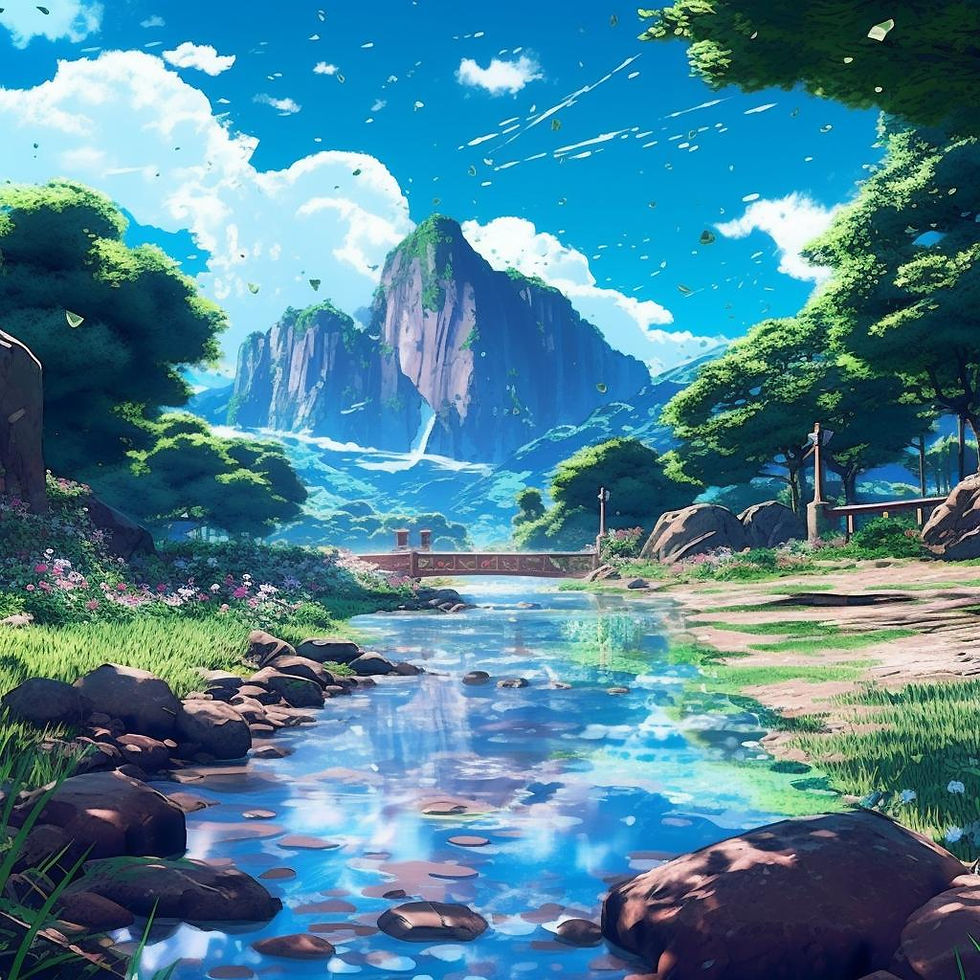
Many Game Masters begin, quite naturally, by thinking in terms of encounters. This approach offers clarity and structure. Encounters are manageable units of preparation: a combat in a ruined temple, a negotiation in a crowded tavern, a puzzle hidden within ancient ruins. They provide pacing, focus, and a clear sense of purpose for each session. In isolation, this method works well, and it forms the backbone of many successful games.
However, when encounters are treated as isolated moments rather than expressions of a larger system, the world can begin to feel fragmented. Events happen, are resolved, and then quietly disappear. The players move from one situation to the next without a strong sense that these moments are connected, and over time, the experience risks becoming a sequence of disconnected scenes rather than a cohesive narrative.
A living world reframes this entirely. Instead of isolated encounters, it functions as an ecosystem. Every event is part of a broader network of causes and consequences. A bandit ambush is no longer simply a challenge to overcome—it is evidence of instability. Perhaps trade routes have become dangerous due to political unrest, or a failed harvest has driven people to desperation. The encounter becomes a symptom, not the story itself.
This shift changes how preparation feels. The question is no longer, “What will happen in this session?” but rather, “What is happening in this world, and how might the players encounter it?” That distinction opens space for discovery. Players are no longer guided through pre-arranged moments—they are moving through a world that is already in motion.
For a deeper exploration of this philosophy and how it connects to narrative-first play, see “Welcome to Gaea: Why Stories Matter More Than Rules.” The ideas are closely intertwined: both approaches emphasize meaning over mechanics and continuity over isolated success.
Memory as the Spine of the World
A world that does not remember cannot feel alive. Without memory, actions lose their permanence, and the illusion of continuity begins to fracture. When players save a village only for it to feel unchanged upon their return, or betray a faction without consequence, the world begins to feel less like a place and more like a stage reset between scenes.
Memory, then, becomes the spine of a living world. It holds events in place, giving them weight and allowing them to shape what comes next. This does not require exhaustive documentation or meticulous record-keeping. What it requires is intention—the deliberate choice to let important moments leave visible traces.
These traces can take many forms. A city once plagued by crime may become safer after intervention, but perhaps also more guarded, its people slower to trust outsiders. A noble family aided by the players may rise in influence, reshaping local politics in subtle ways. Conversely, a neglected threat may grow in the background, emerging later with greater consequence.
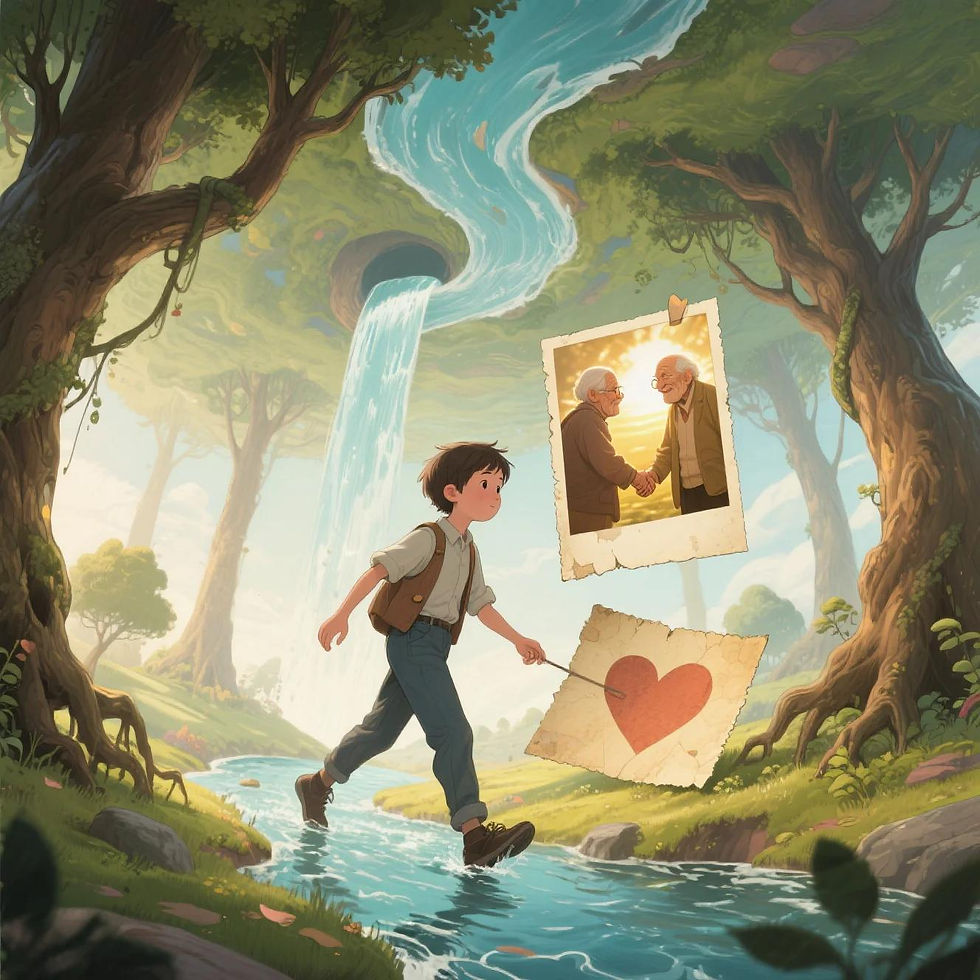
Yet memory is rarely objective. Different groups remember events differently, shaped by their own perspectives and interests. One faction may celebrate the players as heroes, while another views them as dangerous meddlers. These conflicting interpretations add depth, transforming the world from a simple record of events into a layered narrative shaped by perception.
Over time, this creates a powerful effect. Players are no longer simply moving through events—they are contributing to a history. Their actions become part of the world’s ongoing story, remembered, interpreted, and built upon.
Factions That Adapt, Not Wait
In many campaigns, factions exist in a kind of narrative stasis. They are defined, positioned, and then left waiting for the players to engage with them. While this approach simplifies management, it limits the sense of dynamism within the world. The setting begins to feel reactive, as though nothing truly changes unless the players are present to witness it.
A living world approaches factions differently. They are not static entities but active participants, each with goals, resources, and constraints. They pursue their objectives regardless of player involvement, responding to events as they unfold. When something disrupts their plans, they adapt. When opportunities arise, they act.
This does not require complex simulation. It begins with understanding motivation. What does the faction want? What stands in its way? When something changes—whether caused by the players or by other forces—the Game Master asks a simple question: “What would they do next?”
The answer may be small. A smuggling ring relocates its operations. A political rival spreads rumors to regain influence. A religious order shifts its doctrine in response to a perceived omen. These incremental adjustments accumulate over time, creating the impression of a world in motion.
In this way, the players become part of a larger network of change rather than its sole drivers. Their actions matter deeply, but they exist alongside other forces that shape the world in parallel. This balance creates a richer, more believable experience, where the narrative emerges from interaction rather than control.
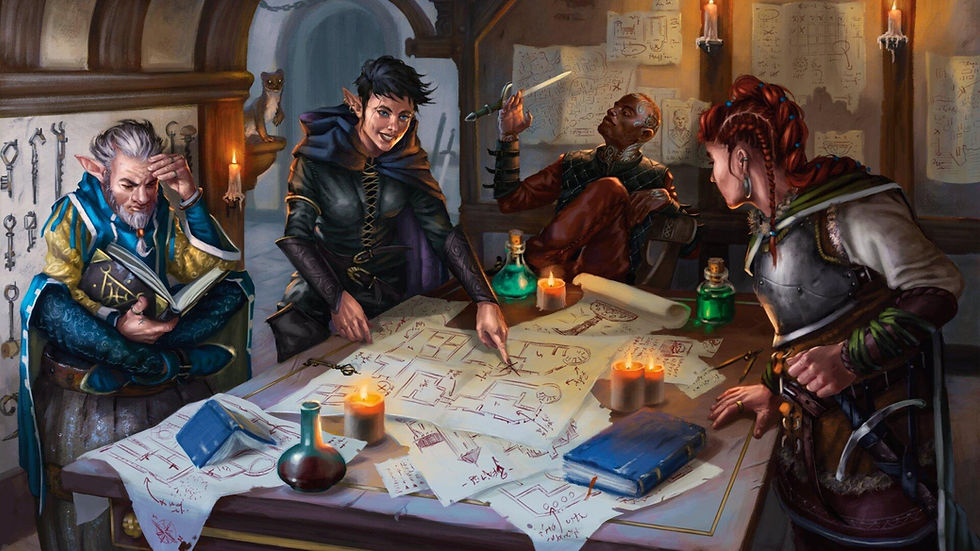
Environments That Respond
It is easy to think of environments as static backdrops—maps to be traversed, locations to be visited, scenery against which events unfold. In a living world, however, the environment itself becomes an active participant, reflecting the history of what has occurred and shaping the experiences of those within it.
Consider how a place changes over time. A forest that has seen repeated conflict may grow quiet and tense, its wildlife displaced, its paths altered by damage. Travelers speak of it differently. What was once a place of passage becomes a place of unease, carrying the weight of its past.
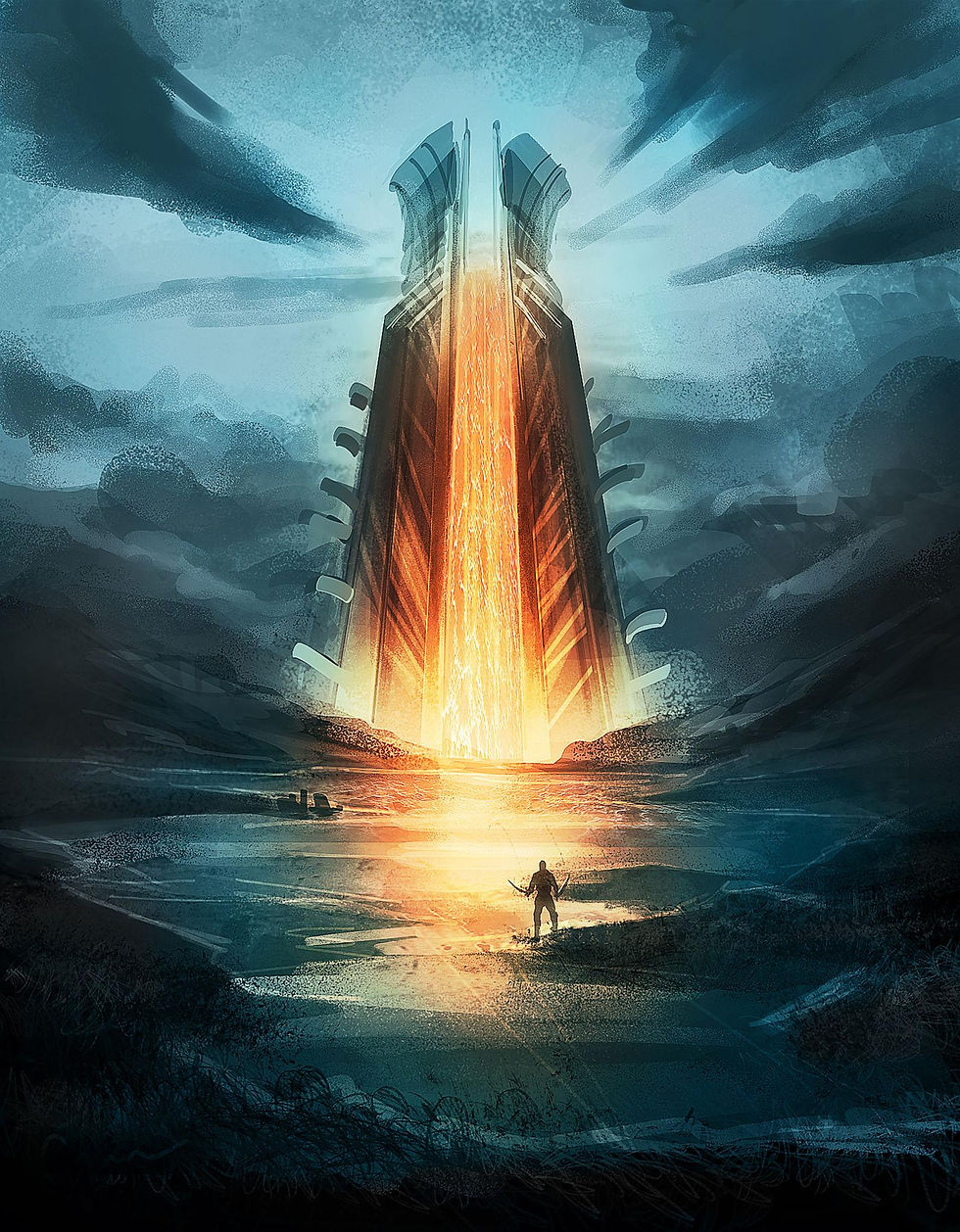
Cities offer even richer opportunities for transformation. Districts rise and fall in response to economic shifts, political decisions, and cultural changes. A once-thriving marketplace may decline after trade routes are disrupted. A neglected neighborhood may flourish following investment or intervention. These changes need not be dramatic to be meaningful; even subtle shifts reinforce the sense that the world is evolving.
Weather, too, can serve as a form of environmental memory. A region experiencing prolonged drought will feel different from one recovering from storms. These conditions influence behavior, shaping how people live, travel, and interact.
By allowing environments to respond, the Game Master creates continuity that extends beyond characters and factions. The world itself becomes a record of events, communicating history through its current state.
The Game Master as Myth Keeper
Adopting this mindset transforms the role of the Game Master in significant ways. The focus shifts from directing events to maintaining continuity. The Game Master becomes less of a conductor orchestrating a performance and more of a steward preserving the integrity of a living system. This distinction is subtle in theory but profound in practice, as it reshapes not only how sessions are prepared but how they are experienced in the moment.
To act as a Myth Keeper is to hold the threads of the world without pulling them too tightly. It means understanding the forces at play—political tensions, cultural shifts, personal motivations—and allowing them to interact naturally rather than forcing them toward predetermined conclusions. Preparation becomes less about scripting and more about comprehension. What pressures exist within the world? Where are the fault lines? What might happen if those pressures are left to develop?
This approach also requires a willingness to relinquish a certain kind of control. Not control over the game itself, but over outcomes. The Myth Keeper does not seek to ensure that events unfold in a specific way. Instead, they ensure that whatever does unfold remains consistent with the logic of the world. This creates a sense of authenticity, where even unexpected developments feel grounded rather than arbitrary.
Listening becomes an essential skill in this role. Players reveal their priorities through their actions, their interests through their questions, and their interpretations through their decisions. By paying attention to these signals, the Game Master can allow the world to respond in ways that feel personal and meaningful. The narrative becomes a dialogue rather than a monologue, shaped by interaction rather than instruction.
Over time, this approach fosters a kind of narrative momentum that requires less direct effort to sustain. The world begins to move on its own terms, generating situations and tensions that arise naturally from its existing state. The Game Master is no longer responsible for creating every moment from nothing; instead, they are guiding something that already has life.

Practical Shifts at the Table
Translating this philosophy into practice does not require dramatic reinvention. It begins with small, deliberate habits that gradually reshape how the game unfolds. These practices are not about adding complexity, but about preserving continuity and allowing the world to carry forward the weight of what has already occurred.
One of the most effective habits is maintaining a simple but consistent record of consequences. After each session, take a few moments to reflect on what has changed. Which factions have been affected? What information has spread? What tensions have increased or eased? These notes do not need to be exhaustive. In fact, brevity often makes them more useful. The goal is not to capture everything, but to identify what matters.
From these notes, patterns begin to emerge. A minor decision made early in the campaign may ripple outward, influencing events sessions later. A small favor granted to a seemingly insignificant character may open unexpected doors. By tracking these developments, the Game Master creates a web of continuity that connects moments across time.
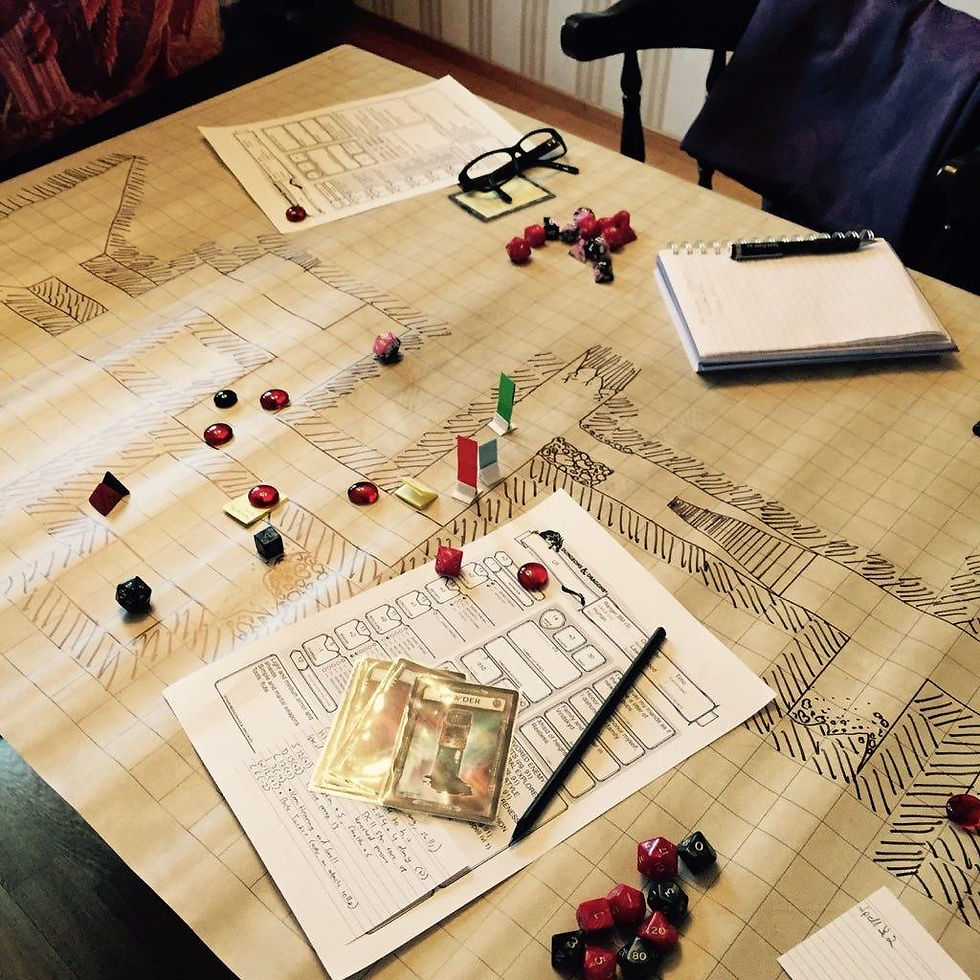
Another valuable practice is allowing the world to move between sessions. Rather than treating the campaign as something that exists only when the players are present, consider what unfolds in their absence. Factions continue to pursue their goals, environments continue to change, and unresolved tensions continue to develop. When the players return, they encounter a world that has advanced, reinforcing the sense that it is alive.
Revisiting locations is particularly powerful in this context. When players return to a place they have previously influenced, they are given the opportunity to see the results of their actions. This can be as simple as a familiar innkeeper greeting them differently, or as complex as an entire district transformed by earlier events. These moments create continuity that is both visible and emotionally resonant.
It is also important to allow space for unresolved threads. Not every situation needs immediate closure. Some developments should remain in motion, evolving quietly in the background until they re-emerge. This creates a sense of depth, where the world feels larger than the immediate story and continues to unfold beyond the players’ direct attention.
The Power of Continuity
Continuity is the element that binds all of these practices together, transforming a sequence of events into a cohesive narrative. When a world remembers, adapts, and responds, the experience of play gains a sense of weight that cannot be replicated through mechanics alone. Players begin to understand that their actions matter not only in the moment, but in the long-term shape of the world.
This understanding changes how decisions are made. Players become more thoughtful, more invested, and more willing to engage with the narrative on a deeper level. Choices are no longer evaluated solely in terms of immediate success or failure, but in terms of their broader implications. What will this action mean? How might it be remembered? What consequences might follow?
Over time, these considerations create a campaign that feels interconnected and alive. Events build upon one another, creating a sense of progression that extends across sessions. The story becomes something that is not only experienced but remembered—a shared history that belongs to everyone at the table.
Continuity also fosters emotional resonance. When players encounter the long-term effects of their actions, the experience carries weight. A decision made in a moment of urgency may return later with unexpected consequences. A relationship built over time may evolve in ways that feel deeply personal. These moments are powerful because they are earned, grounded in the logic of the world rather than imposed from outside it.
Even imperfections contribute to this sense of reality. Not every thread will resolve cleanly, and not every outcome will be satisfying. Yet these inconsistencies mirror the nature of real history, where events are complex, messy, and often unresolved. Embracing this imperfection strengthens the illusion of a living world, making it feel less like a constructed narrative and more like a place that exists independently.
A World That Lives Beyond the Table
One of the most profound effects of adopting the Myth Keeper’s mindset is what happens when the session ends. In a traditional approach, the story often feels paused, as though the world has been set aside until the next gathering. In a living world, however, the opposite is true. The story feels as though it continues, unfolding in unseen ways as time passes.
Players begin to carry the world with them between sessions. They think about unresolved threads, speculate on how factions might respond, and consider the implications of their actions. This ongoing engagement deepens their connection to the game, transforming it from a scheduled activity into a shared imaginative space that persists beyond the table.
This sense of continuity also builds anticipation. When players return, they are not simply resuming where they left off—they are stepping back into a world that has changed. There is a sense of discovery in seeing what has unfolded in their absence, and that discovery reinforces the feeling that the world is alive.
Over time, the campaign becomes something more than a sequence of sessions. It becomes a place that exists in memory, shaped by experience and sustained by shared imagination. The players are not merely participants; they are part of its history, their actions woven into the fabric of the world itself.
The Beginning of a Different Approach
The Myth Keeper’s mindset is not a destination to be reached, but a perspective to be cultivated over time. It asks for a shift in how the Game Master views the world and their role within it, encouraging a move away from control and toward continuity. This shift does not happen all at once. It emerges gradually, through practice, reflection, and a willingness to let the world evolve beyond initial expectations.
What begins as a simple effort to track consequences can grow into a broader understanding of how systems interact. What starts as a single evolving faction can expand into a network of interconnected forces. Over time, the world becomes richer, not because it has been meticulously designed in advance, but because it has been allowed to grow through play.
This philosophy forms the foundation of the Myth Keeper’s Guide, a deeper exploration of how to create and sustain living worlds at the table. The ideas presented here are an introduction, a glimpse into a way of thinking that transforms not only how games are run, but how they are experienced.
More on this philosophy soon.
And don't forget to subscribe to our mailing list so that you don't miss out on all of the news and updates from RPG Storytelling.


Really enjoyed this perspective! A living world feels much more immersive when the history, cultures, and consequences continue to evolve beyond the players' actions. I also save RPG design discussions, and an AI Video to PPT Converter helps me turn long videos into editable slides for quick reference during game prep.
My second graders love the kids word search. I build one around the weekly spelling list every Monday.